‘It’s pretty miserable’: Spring weather exposes cooling issues in KU classrooms
With spring’s unpredictable weather, staying comfortable in some University of Kansas classrooms isn’t a guarantee.
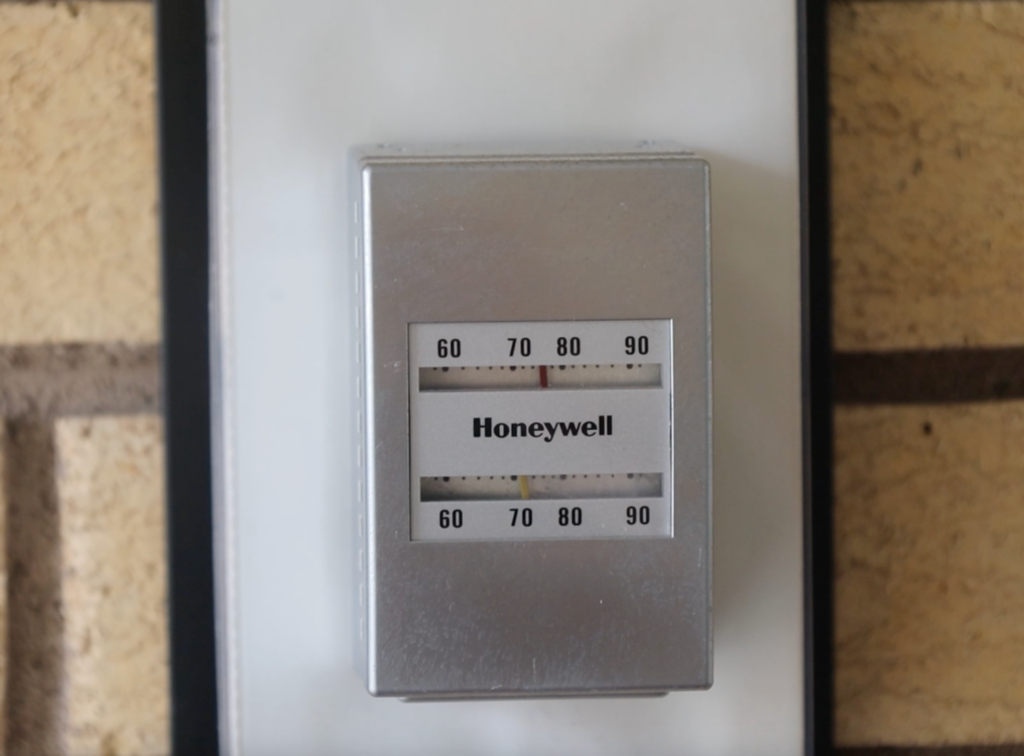
Rising temperatures inside campus buildings, like the Robinson Center, have made it difficult to focus and, in some cases, even attend class.
Ryan Dillard, a sports management professor, says that the temperature in Robinson disrupts class in multiple ways.
“It’s hot, muggy and out of date,” Dillard said.
Faculty aren’t the only ones who notice the problem.
“By the time I’m here, I’m sweating bullets and I get inside hoping for relief and I just sweat more. It’s pretty miserable,” Luke Dahlen, a junior, said.
“It distracts me from learning. When I am taking a quiz or test, all I can focus on is how hot I am,” Emma Kramer, also a junior, said.
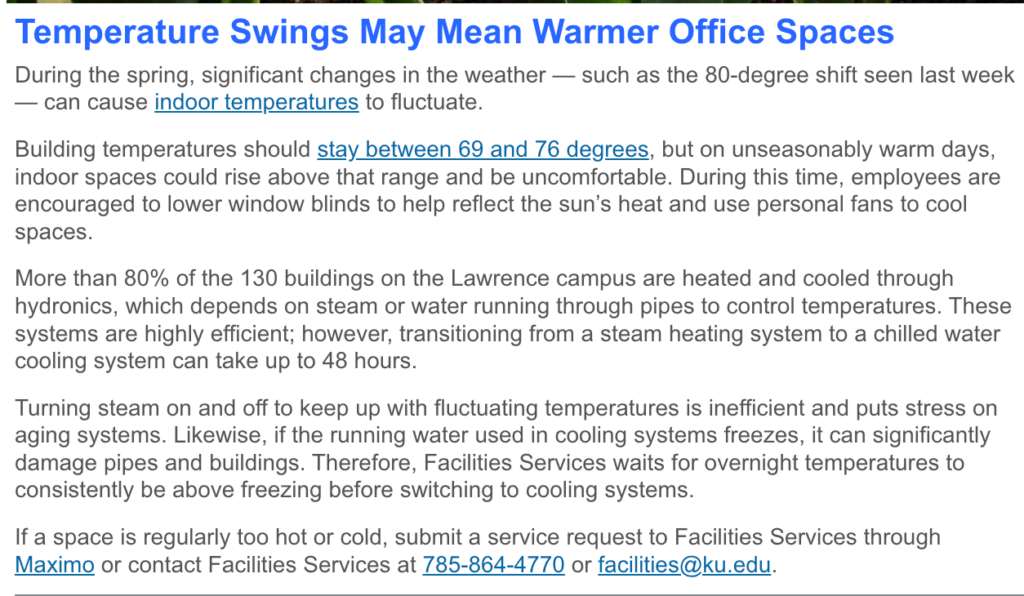
University officials say about 80% of campus buildings rely on hydronics systems, which use steam and water to regulate temperature. Those systems can take up to 48 hours to switch between heating and cooling modes, making it difficult to keep up with the rapidly changing Midwest weather.
The inside temperatures are doing more than just causing a learning distraction.
“I have found on hot days, students just don’t come to class,” Dillard said. “That is super concerning, especially if the goal for our university is to get students to come to class and to get students to graduate…it creates a really, really, just a big instructional issue.”
And though some students are brave enough to step inside the toasty classrooms, that doesn’t make it acceptable.
“I’m to the point where like, ‘Oh, if it’s a hot day, I will cancel class’…because we just can’t learn in that type of environment… we almost have to treat it a little bit like snow days,” Dillard said.
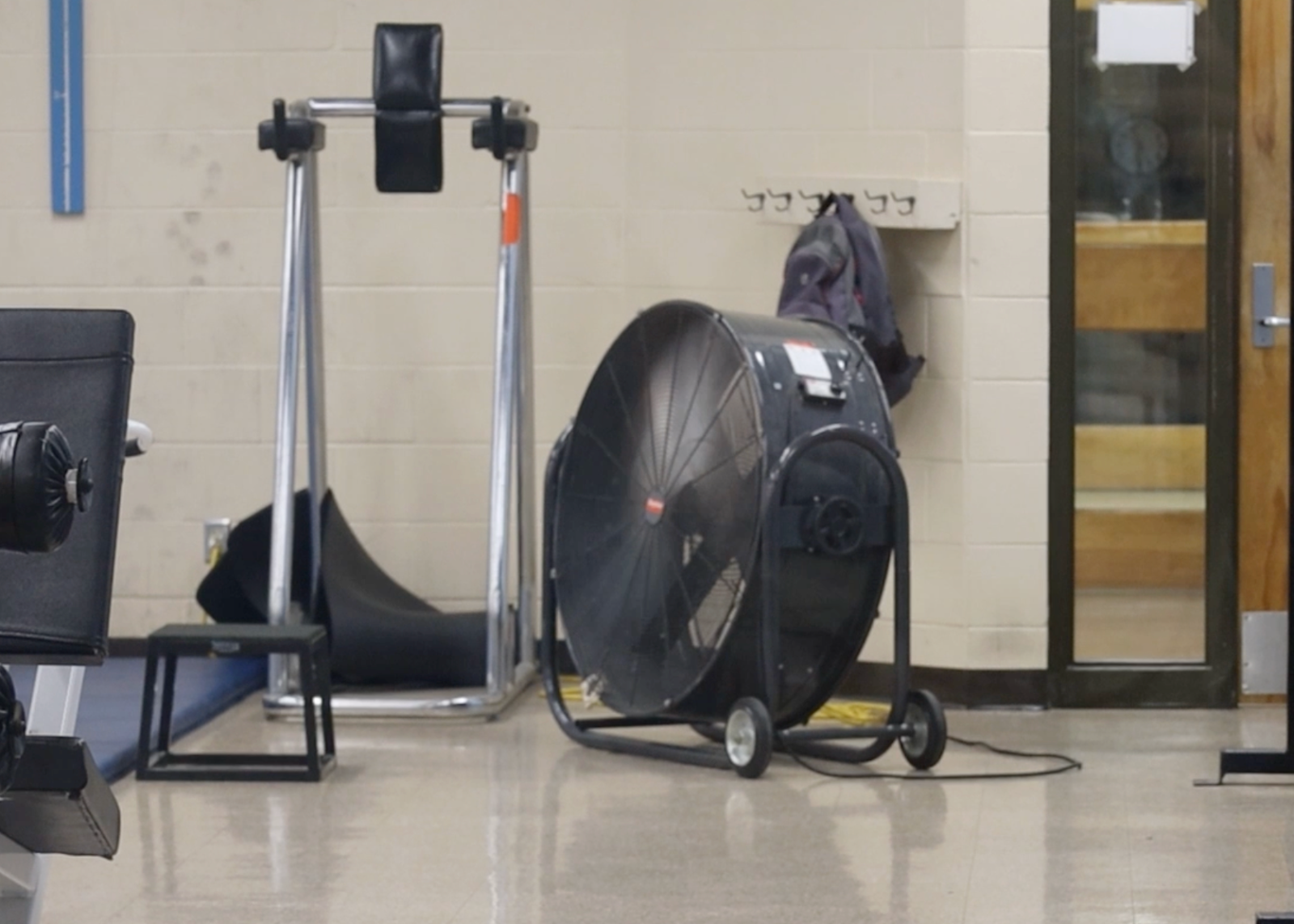
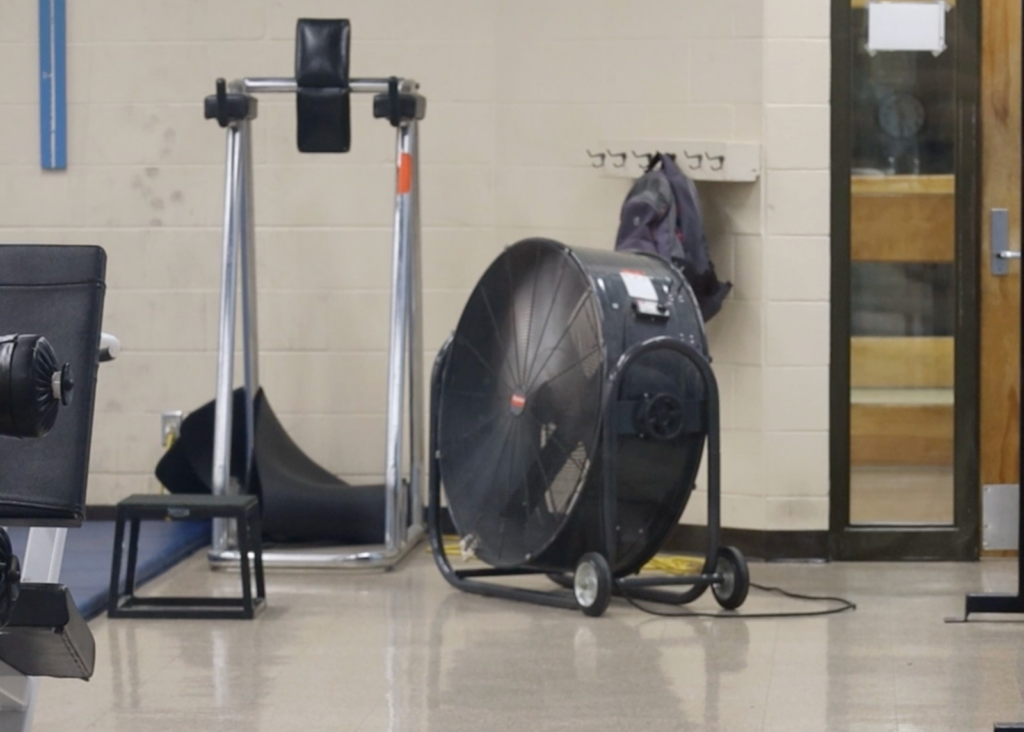
Facilities have attempted to make accommodations, including placing fans in classrooms, but students and instructors say it is not enough.
“They have a big box fan in there, which is helpful, kind of because it gets air moving, but really it’s not as helpful as they think it is,” Dillard said. “When that fan is on for me, I have to use a microphone to even communicate to students.”
Faculty and students both agree that providing a comfortable learning environment should be a basic expectation.
“We are expecting students to be in class. Let’s at a minimum level give them a comfortable, safe and accepting environment,” Dillard said.
KUJH tried to reach out to Facilities Services, but was unable to do so. KUJH will continue to follow this story as it develops.
Watch the segment here: