Rising tariffs and supply costs drive up grocery prices nationwide
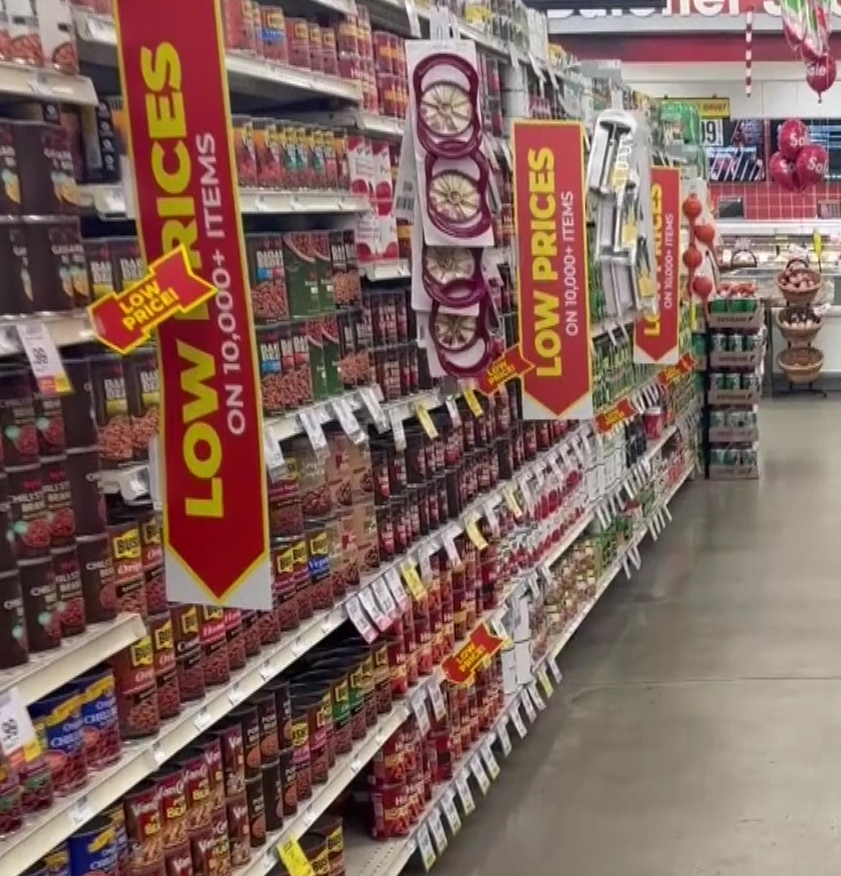
Grocery prices continue to rise across Lawrence and the United States, and economists say tariffs are one of the key factors driving higher costs at the checkout line.
Tariffs are designed to protect American industries by placing taxes on imported goods. However, those added costs are often passed down to consumers. As a result, everyday items, especially groceries, are becoming more expensive for households.
The impact is particularly noticeable in staple foods. Beef prices have increased by more than 16% over the past year, while dairy products such as butter and milk have also seen steady price hikes. These rising costs are putting added pressure on already tight household budgets.
“It’s the basics that are getting expensive like eggs, milk, meat,” said Lawrence resident Garrett Correville. “Things you can’t really avoid buying.”
College students at the University of Kansas are among those feeling the strain. Many say they are adjusting their shopping habits by choosing cheaper brands, buying less, and cutting back on non-essential items.
“It’s definitely been much harder with the budgeting,” said KU student Abby Vasey. “Since I was a student teacher this year, I didn’t get paid. So having to rely on my savings for groceries and spending so much more than I normally do was definitely very frustrating.”
Experts emphasize that tariffs are only one piece of the puzzle. Other factors, including supply chain disruptions, rising labor costs, and broader economic challenges, have also contributed to increasing grocery prices.
As costs continue to climb, shoppers in Lawrence and across the country are finding new ways to stretch their budgets while still keeping food on the table.
Watch the segment here: